

Online Courses
-
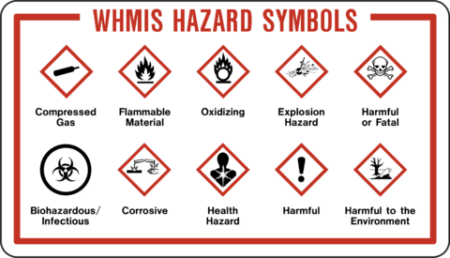 Employers have a responsibility to educate workers on the classification system that will be used in their workplace. If products will be classified according to WHMIS – GHS-2015 and new labels and SDSs provided, workers must receive WHMIS – GHS-2015 training. If products will be following WHMIS 1988 requirements, workers must be trained on the 1988 system. In most cases, workplaces will have some products that use the 2015 system and others that use the 1988 system. Those workers should receive training that provides information on both the WHMIS 1988 and the WHMIS – GHS-2015 system. Our WHMIS course has been updated to meet the training requirements needed during the transition period. It educates workers on both the WHMIS 1988 system and the new WHMIS – GHS-2015 system.
 -
 At C&R Safety Training Solutions we are dedicated to safe workplace injuries and prevention. Our interactive Sharps Training includes a PowerPoint presentation and a hands-on portion for the safe handling of needles, with and without the syringe, e.g. butterfly needles, vacutainer needles, scalpel and razor blades, microscope slides and covers, glass capillary tubes, Pasteur’s pipettes, pipette man tips, sharp, pointy scissors, microtome knives, any broken glass or plastic lab-ware with sharp edges.
 -
Sale!
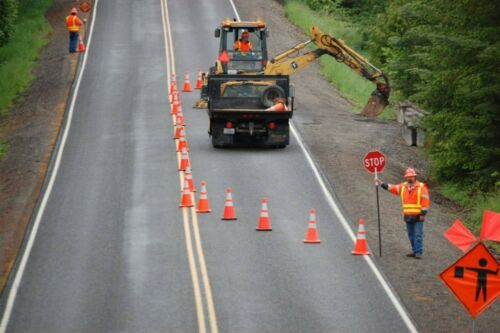 This program designed to assists those responsible for controlling traffic and creating, implementing, and/or overseeing the safety of the construction zone. Participants are taught safe practices when it comes to controlling vehicles, pedestrians and worker safety.
 -
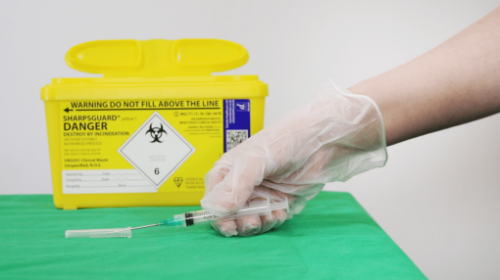 At C&R Safety Training Solutions we are dedicated to safe workplace injuries and prevention. Our interactive Sharps Training includes a PowerPoint presentation and a hands-on portion for the safe handling of needles, with and without the syringe, e.g. butterfly needles, vacutainer needles, scalpel and razor blades, microscope slides and covers, glass capillary tubes, Pasteur’s pipettes, pipette man tips, sharp, pointy scissors, microtome knives, any broken glass or plastic lab-ware with sharp edges.
 -

Our half-day Scaffolding Safety and Hazard Awareness program is designed to assist those who work on or near scaffolds to understand Ministry of Labour legislation, understand the risks associated with their work, and find out how to manage those risks.
This program will assist participants through a power point presentation and open discussion, case studies as well as an actual incident report, an inspection form requirement, evaluation plan and rescue procedures. Participants will develop a better understanding of their roles and responsibilities according to the OHSA as scaffold users and learn a variety of ways to recognize and control hazards in their work. -
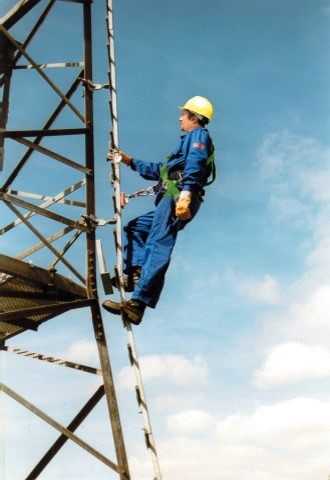 Our Ladder Safety course provides users with the knowledge and understanding of all the different types of “ladders” and how to use the appropriate ladder for a specific task. Nearly 20% of all lost time injuries (time lost for the worker) can be contributed to falls in the workplace. The majority of injuries are same level, others are lower level. Ladders contribute to the more serious injuries or death. In fact, only motor vehicles contribute to a higher risk of workplace validities. You may have never personally experienced a fall but that doesn’t mean that hazards don’t exist; It’s imperative that worker know the hazards working with “ladders” and consistently follows rules and safety work procedures and don’t become another statistic.
 -
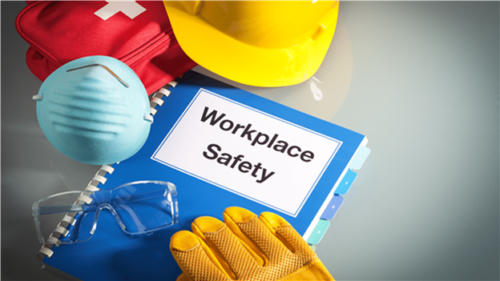 OHSA – Workers This half-day course is intended is to teach participants about occupational health and safety law in Ontario. Understanding the three rights for workers according to the Occupational Health and Safety Act. The course is designed for upcoming new workers in Ontario.
 -
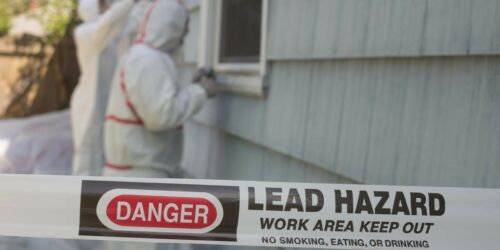 C&R Safety Training Solutions is dedicated to your Health & Safety, our Lead Hazard Awareness course is designed to educate the learner in the awareness of working around lead. Lead is one of the most common toxic elements found in industry and is a leading cause of workplace illness. According to the Centers for Disease Control & Prevention, despite improvements in public health policies and substantial reductions in blood lead levels (BLLs) in adults, lead exposure remains an important health problem worldwide. Nearly every construction trade has the opportunity for potential exposure to lead during “normal” construction tasks including carpenters, electricians, ironworkers, painters, plumbers, sheet metal workers, among others.
 -
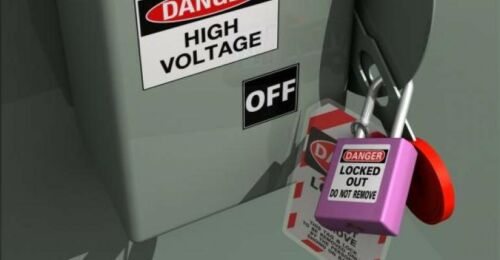
This course is designed to help workers, supervisors and workplaces establish and implement a safe work procedure to unwanted electrical, hydraulic, pneumatic, kinetic and potential energy sources that cause injury or death in the workplace.
Course Content
- Hazards involved with improper lockout tag out procedures
- Rights and responsibilities of all workplace parties according to the Act
- The 6-step process to lockout tag out
- Understanding energy sources
- Implementing policies and procedures
- Preparing an action plan
- Recognize, assess and control of all parties to related hazards
-
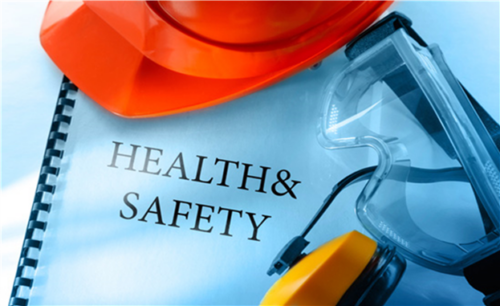 Our Health and Safety Representative Training is for employers that have 5 or more employees and less than 20. It is designed to provide participants with the knowledge, duties and powers according to the Occupational Health and Safety Act.
 -
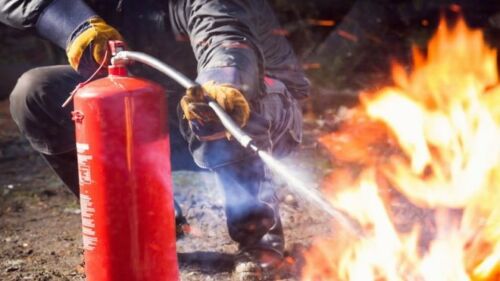 Our fire safety/extinguisher course teaches participants and workplaces about the legislated fire safety responsibilities of the employer and the worker. We will discuss safe work practices related to fire prevention and provides practical information about emergency response in situations involving fire.