
-
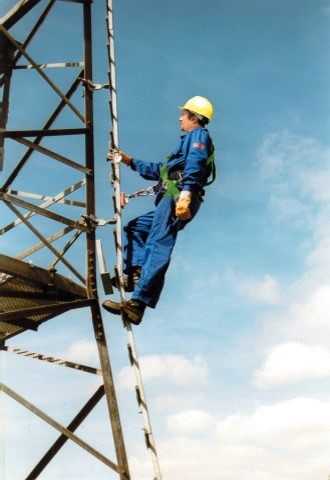 Our Ladder Safety course provides users with the knowledge and understanding of all the different types of “ladders” and how to use the appropriate ladder for a specific task. Nearly 20% of all lost time injuries (time lost for the worker) can be contributed to falls in the workplace. The majority of injuries are same level, others are lower level. Ladders contribute to the more serious injuries or death. In fact, only motor vehicles contribute to a higher risk of workplace validities. You may have never personally experienced a fall but that doesn’t mean that hazards don’t exist; It’s imperative that worker know the hazards working with “ladders” and consistently follows rules and safety work procedures and don’t become another statistic.
 -
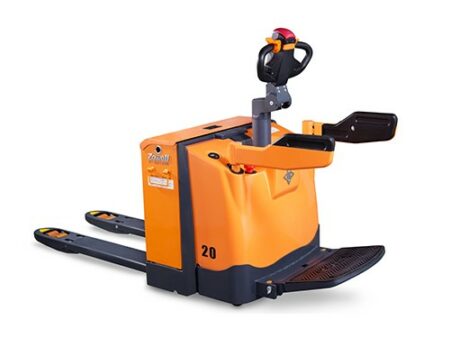 At C&R Safety Training Solutions, our Class III Forklift Safety Course provides our participants with the knowledge and understanding of the safe operation and MOL standards, system components and protection systems. Here at C&R Safety Training Solutions we offer a half day interactive safe forklift operation course according to Ministry of Labour standards, guidelines and regulations on the principles.
 -
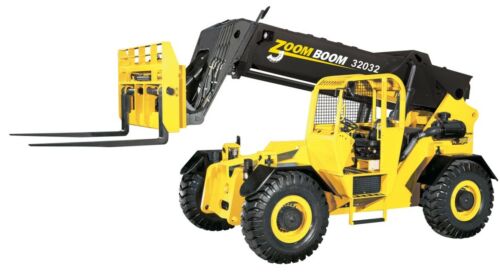
Forklift Class 7 – Rough Terrain
Here at C&R Safety Training Solutions we offer a one-day interactive safe Rough Terrain forklift operation course according to Ministry of Labour standards, guidelines and regulations on the principles of:
- Understanding the limitations that affect truck stability and safe loading criteria
- Understanding the fundamentals of handling high-risk loads
- Knowing the legal responsibilities associated with lift trucks
- Understanding the legal standards set out in the Occupational Health and Safety Act
- Hazard recognition in advance situational risks in and around the rough terrain lift truck
- Hazards associated with the telescopic boom
-
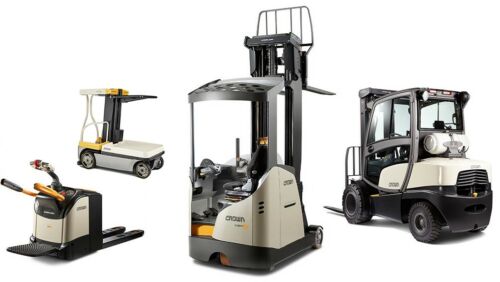 Forklift Classes 1 – 5 Here at C&R Safety Training Solutions we offer a one-day interactive safe forklift operation course according to Ministry of Labour standards, guidelines and regulations on the principles of:
- Understanding the limitations that affect truck stability and safe loading criteria
- Understanding the fundamentals of handling high-risk loads
- Knowing the legal responsibilities associated with lift trucks
- Understanding the legal standards set out in the Occupational Health and Safety Act
- Hazard recognition in advance situational risks in and around the lift truck
-
Bill-168 Training
Our Bill-168 course covers all legislative requirements according to the Occupational Health and Safety Act. It is designed to assist companies, supervisors and workers with the knowledge and understanding of their rights and responsibilities. Course Content- Duties and responsibilities according to the Act
- Rights and due diligence according to legislation
- Reporting
- Case study discussions
-
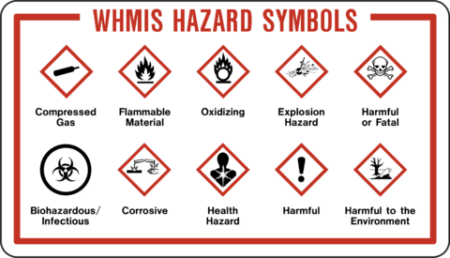 Employers have a responsibility to educate workers on the classification system that will be used in their workplace. If products will be classified according to WHMIS – GHS-2015 and new labels and SDSs provided, workers must receive WHMIS – GHS-2015 training. If products will be following WHMIS 1988 requirements, workers must be trained on the 1988 system. In most cases, workplaces will have some products that use the 2015 system and others that use the 1988 system. Those workers should receive training that provides information on both the WHMIS 1988 and the WHMIS – GHS-2015 system. Our WHMIS course has been updated to meet the training requirements needed during the transition period. It educates workers on both the WHMIS 1988 system and the new WHMIS – GHS-2015 system.
 -
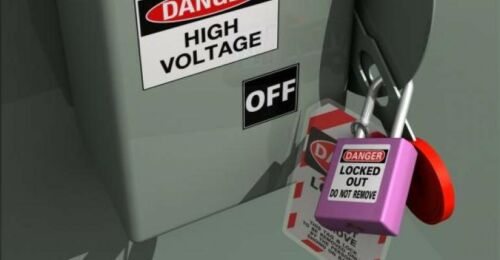
This course is designed to help workers, supervisors and workplaces establish and implement a safe work procedure to unwanted electrical, hydraulic, pneumatic, kinetic and potential energy sources that cause injury or death in the workplace.
Course Content
- Hazards involved with improper lockout tag out procedures
- Rights and responsibilities of all workplace parties according to the Act
- The 6-step process to lockout tag out
- Understanding energy sources
- Implementing policies and procedures
- Preparing an action plan
- Recognize, assess and control of all parties to related hazards